 Gujarat, IndiaGujarat, India
 Send Email
 Send Inquiry
FRP Solar Walkways
Price 380.00 INR/ Meter
MOQ : 1 Meter
FRP Solar Walkways Specification
- Usage
- Walls, Ceilings, HVAC
- Product Type
- FRP Solar Walkways
- Color
- Yellow
FRP Solar Walkways Trade Information
- Minimum Order Quantity
- 1 Meter
- FOB Port
- Vadodara
- Payment Terms
- Cash Advance (CA), Cheque, Cash in Advance (CID)
- Supply Ability
- 10000 Per Week
- Delivery Time
- 7 Days
- Sample Available
- No
- Sample Policy
- Sample costs shipping and taxes has to be paid by the buyer
- Packaging Details
- Standard packing
- Main Export Market(s)
- Asia, North America, South America
- Main Domestic Market
- All India
About FRP Solar Walkways
Using Fiber Reinforced Plastic (FRP) grating for a solar walkway can offer several advantages due to the unique properties of FRP. Here are considerations for selecting and installing FRP grating in a solar walkway:Corrosion Resistance: FRP is highly resistant to corrosion, making it an excellent choice for outdoor applications where exposure to the elements is common. Solar walkways, particularly those in open areas, can be exposed to rain, sunlight, and various weather conditions.
UV Resistance: FRP grating with UV-resistant properties is important for solar walkways exposed to sunlight. This helps prevent degradation and maintains the appearance and performance of the grating over time.
Lightweight Design: FRP grating is lightweight, which facilitates easy handling during installation. This characteristic is advantageous for solar walkways, especially if they are installed in remote or elevated locations.
Anti-Slip Properties: Choose FRP grating with an anti-slip surface to enhance safety, especially in outdoor areas where wet or slippery conditions may occur.
High Strength: Despite being lightweight, FRP grating has a high strength-to-weight ratio, providing structural integrity and the ability to support foot traffic and occasional loads.
Non-Conductive: FRP is a non-conductive material, making it safe for use in electrical environments. This is important in solar walkways where electrical components, such as wiring for solar panels, may be present.
Customization: FRP grating can be customized to fit specific design requirements, including size, mesh configuration, and color. This flexibility allows for tailored solutions based on the aesthetic and functional needs of the solar walkway.
Low Maintenance: FRP grating generally requires minimal maintenance. Regular cleaning, typically with water and mild detergent, can help keep the grating in good condition.
Durability: FRP grating is durable and resistant to impact, providing longevity in outdoor environments. This durability is important for the longevity of the solar walkway.
Resistance to Environmental Factors: Consider the specific environmental factors in the location where the solar walkway will be installed, such as exposure to saltwater or chemicals, and choose FRP grating that is resistant to these elements.
Fire Resistance: Depending on safety regulations and project specifications, consider FRP grating with fire-resistant properties for increased safety.
Before selecting FRP grating for a solar walkway, it's crucial to assess the specific requirements and conditions of the installation site. Working with the manufacturer or supplier can help ensure that the chosen FRP grating meets the necessary specifications and complies with relevant industry standards. Additionally, proper installation practices and regular inspections contribute to the effectiveness and safety of the FRP grating in the solar walkway.
Enhanced Safety with Anti-slip Surface
The FRP Solar Walkways are equipped with a specialized anti-slip coating and grit surface, significantly reducing the risk of slips and falls even in wet or oily conditions. Their application in industrial settings provides a safer working environment, protecting both personnel and equipment.
Long-lasting Protection: Anti-UV and Fire Retardant
To withstand harsh industrial environments, these walkways incorporate anti-UV and fire retardant coatings. These treatments help the walkways resist damage from sunlight and exposure to high temperatures, ensuring longevity and dependable performance in demanding applications.
FAQ's of FRP Solar Walkways:
Q: How do FRP Solar Walkways improve safety in industrial applications?
A: FRP Solar Walkways feature an anti-slip coating and grit surface, which enhance traction and reduce the likelihood of accidents, making them ideal for slippery or oily industrial areas.Q: What processes are involved in manufacturing FRP Solar Walkways?
A: The walkways are made using Fiber Reinforced Plastic (FRP), with advanced surface treatments like anti-slip coatings, grit finishes, and protective anti-UV and fire retardant layers applied for added durability.Q: Where can these walkways be installed within an industrial setup?
A: They are versatile and suitable for use on industrial flooring, platforms, walkways, as well as walls, ceilings, and HVAC areas, adapting seamlessly to different structural needs.Q: When should you choose FRP walkways over traditional walkway materials?
A: Choose FRP Solar Walkways when you require lightweight, corrosion-resistant, and low-maintenance options that offer superior safety and prolonged lifespan compared to traditional materials like metal or wood.Q: What are the key benefits of the anti-UV and fire retardant coatings?
A: These coatings protect the walkways from harmful UV rays and fire hazards, extending their service life, maintaining structural strength, and ensuring compliance with safety standards.Q: Can FRP Solar Walkways be used outdoors, and how do they resist weathering?
A: Yes, their anti-UV coating protects against sun exposure, while the fire retardant layer and robust FRP material make them suitable for both indoor and outdoor installations, resisting weathering and environmental damage.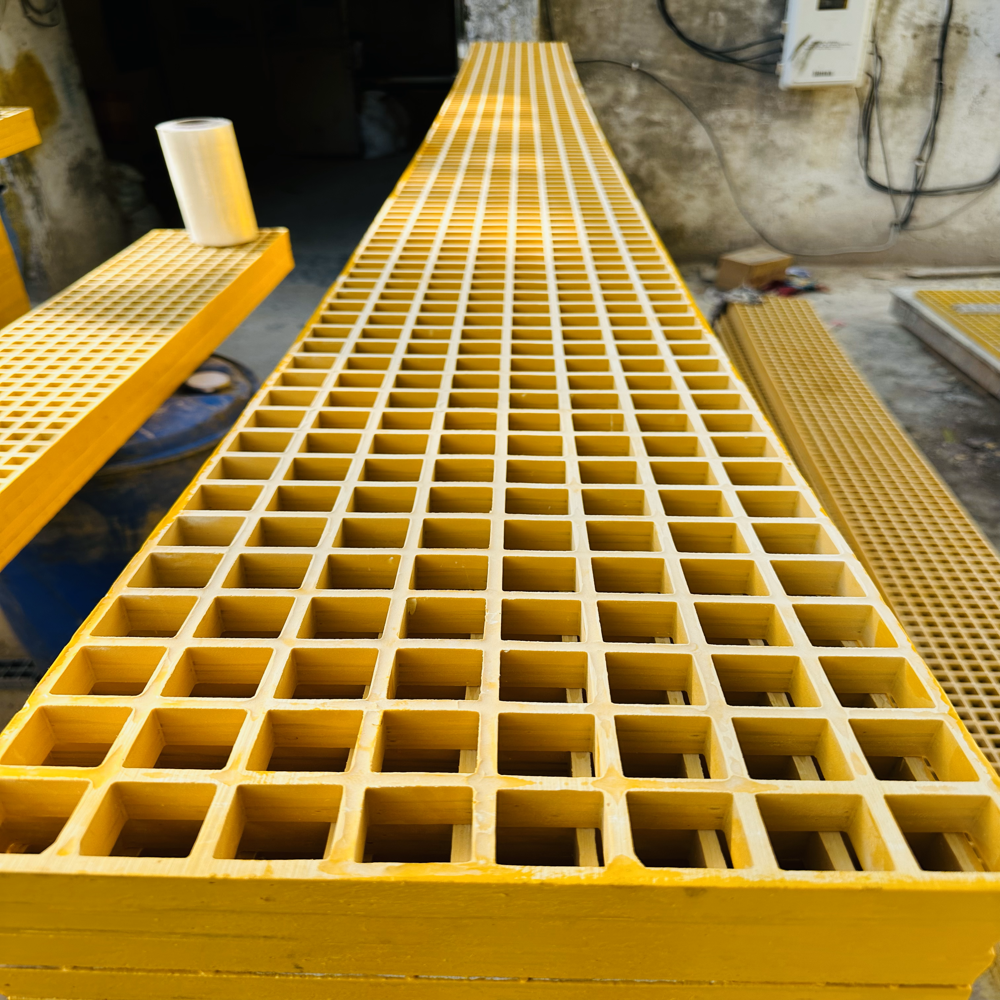
Tell us about your requirement

Price:
Quantity
Select Unit
- 50
- 100
- 200
- 250
- 500
- 1000+
Additional detail
Mobile number
Email

More Products in FRP Grating Category
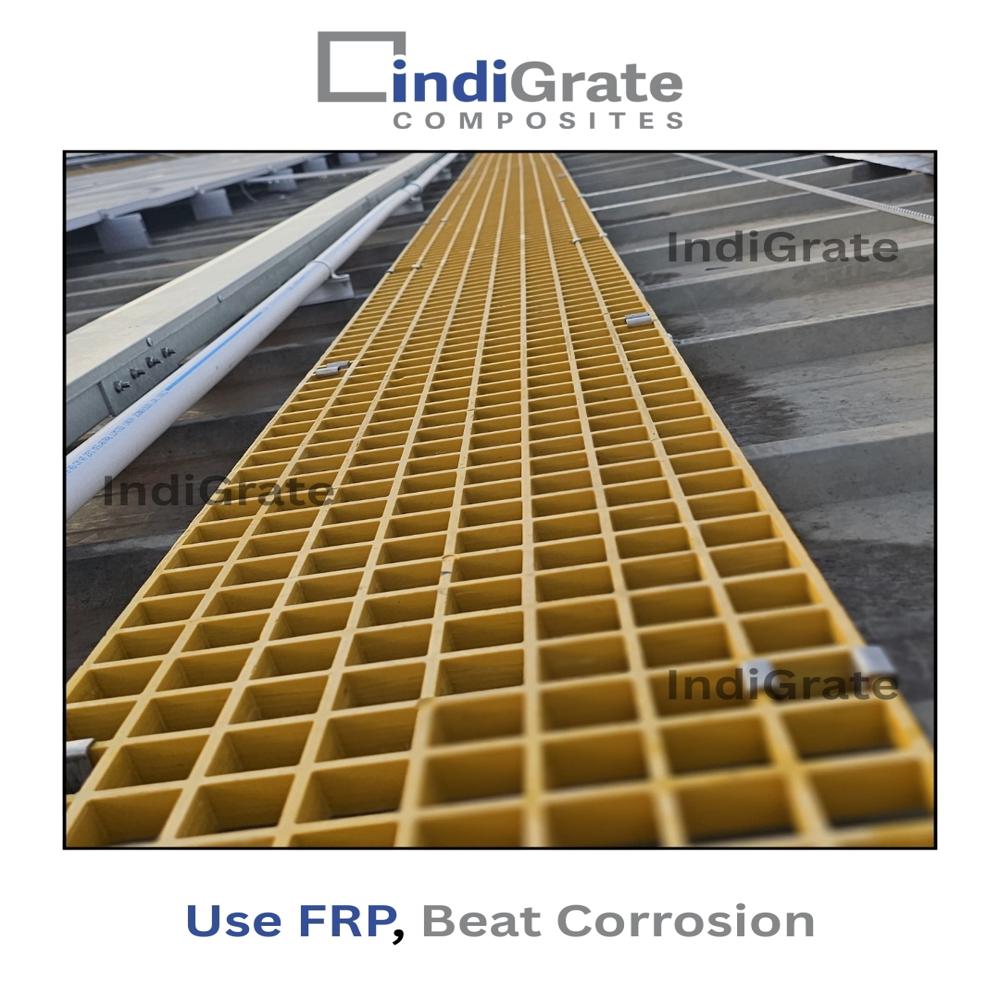
FRP Walkway
Price 400.0 INR / Piece
Minimum Order Quantity : 10 Pieces
Product Type : FRP walkway
Material : Fiberglass
Shape : Rectangular
Usage : Industrial
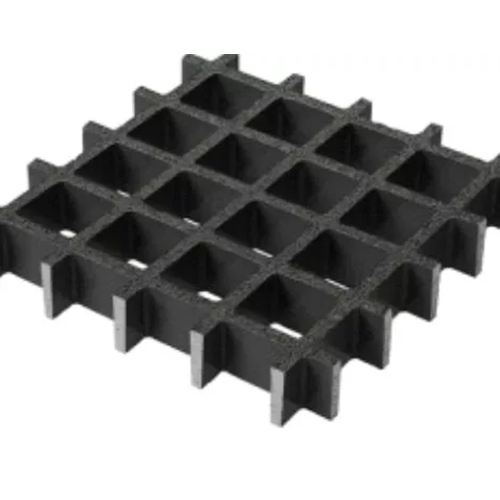
FRP Anti Skid Surface
Price 1200.0 INR / Square Meter
Minimum Order Quantity : 10
Product Type : Anti Skid Surface
Material : FRP
Shape : Rectangle
Usage : Industrial
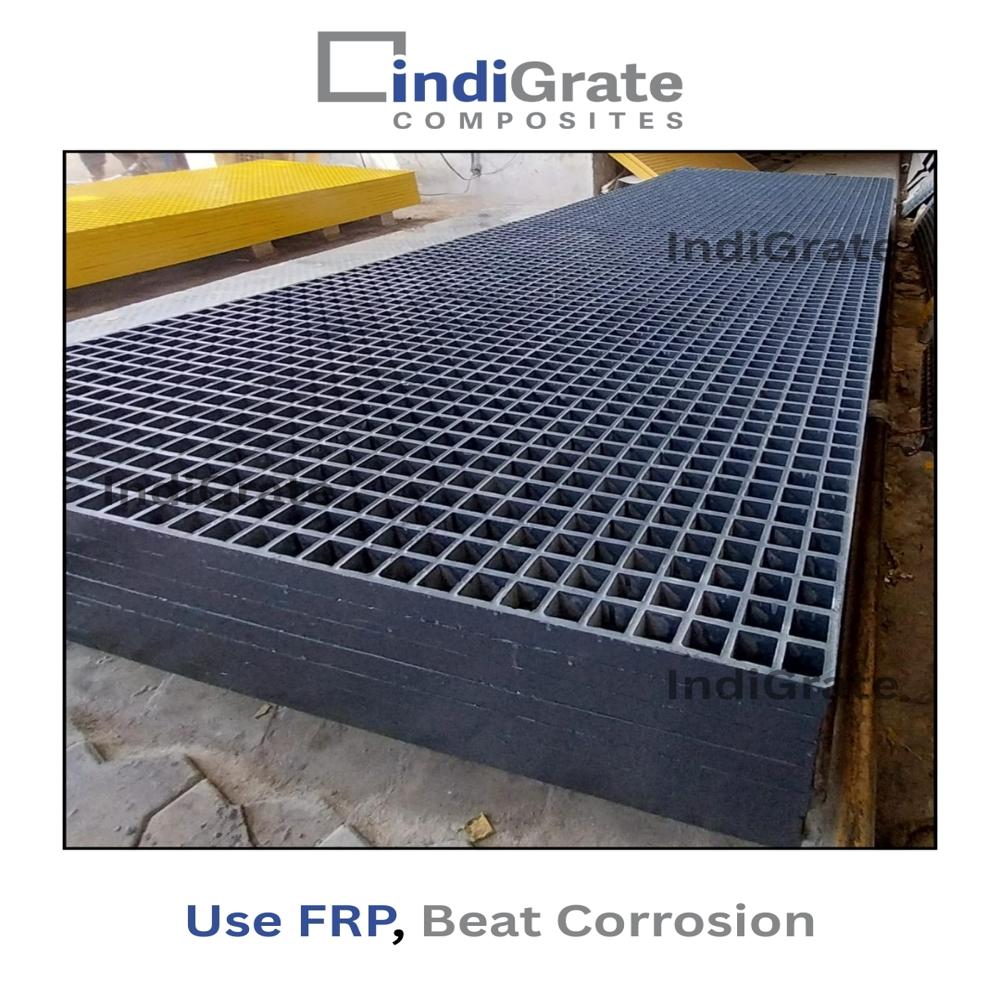
Composite Grating
Price 385.0 INR / Meter
Minimum Order Quantity : 100
Product Type : FRP Grating
Material : Fiberglass
Shape : Rectangle
Usage : Industrial , Solar , Business , Walkway, Chemical Plant , Staircase
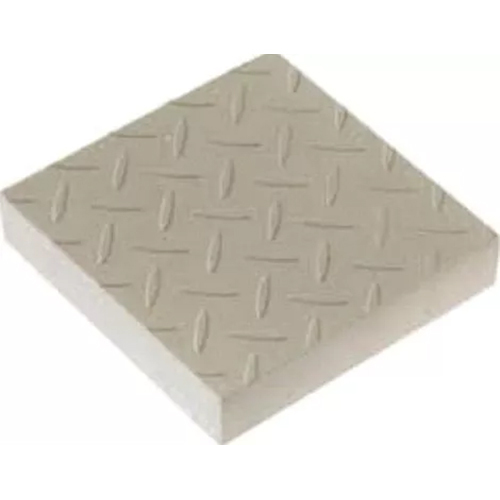
FRP Chequered Surface
Price 1330.0 INR / Square Meter
Minimum Order Quantity : 10 Square Meters
Product Type : Chequered Surface
Material : Fiberglass
Shape : Rectangle
Usage : Industrial

Contact Details
- SURVEY NO 25/A, PAIKI-2, KASHIPURA, GIDC Por,Vadodara - 391243, Gujarat, India
GST : 24AAICI1141B1ZA
- Mr Saumil Choksi (Manager)
- Mobile : 08045475614
- Send Inquiry
 Send Inquiry
 Send Inquiry
 Send SMS
 Call Me Free
INDIGRATE COMPOSITES PRIVATE LIMITED
All Rights Reserved.(Terms of Use)
Developed and Managed by Infocom Network Private Limited.
Developed and Managed by Infocom Network Private Limited.
